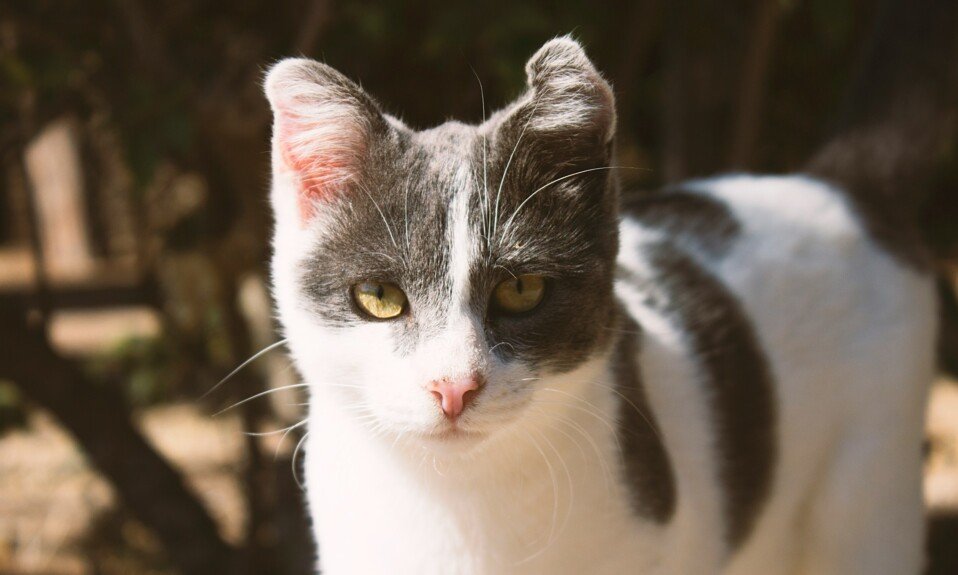
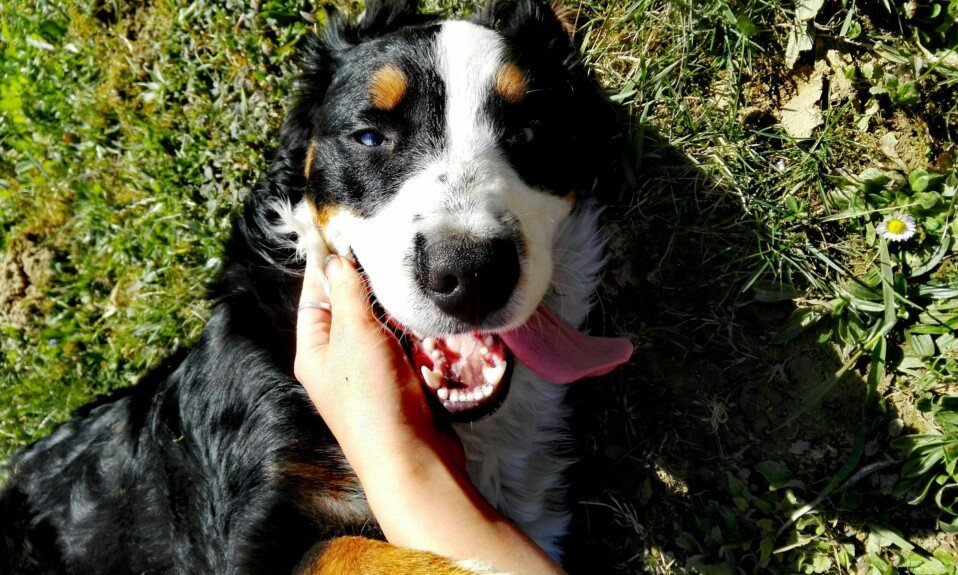
Loyalty is said to be a human virtue, yet in its practice by animals, it has a purity and instinctiveness that seem to be human-animal. They do not promise loyalty. They live it. Animals are devoted across time, distance, and danger, and devotion persists even when hungry over long distances.
Wolves
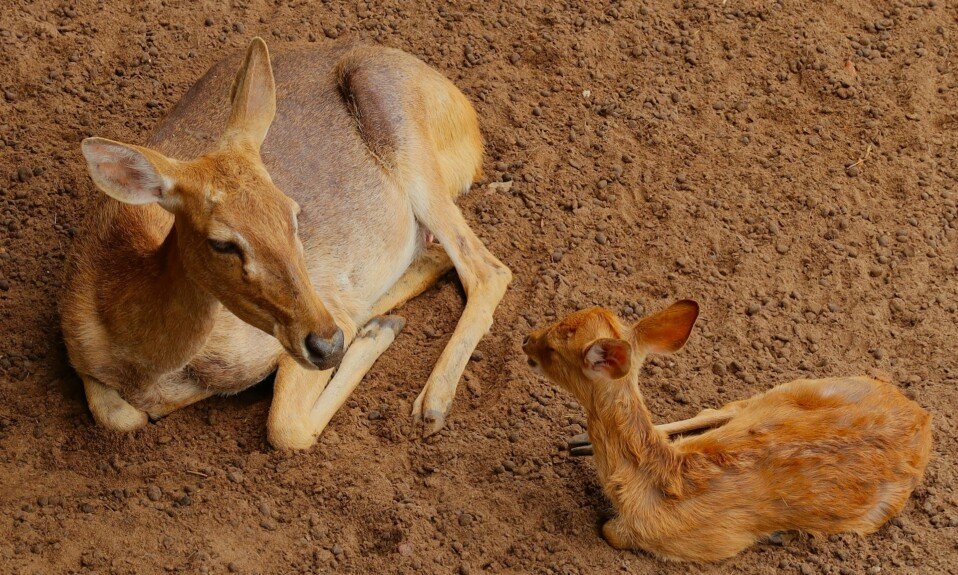
Wolves provide a prime example. They reside in tight-knit groups founded on confidence and collaboration. Each member plays a role. Elderly wolves guard the young. Hunters share food. The weakness of one wolf does not cause the pack to abandon it, but instead slows it down. Survival is based on unity, and loyalty turns out to be a way of life.
Birds
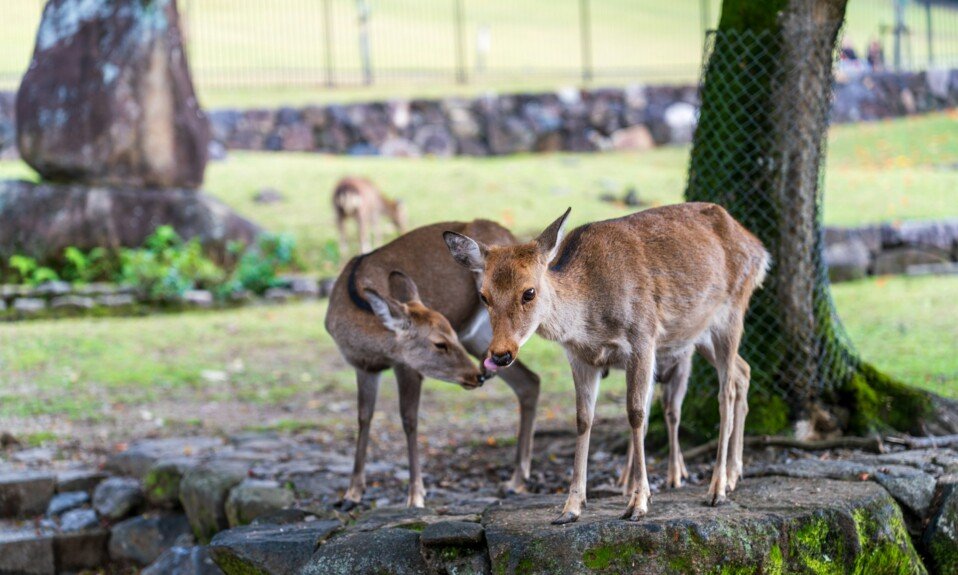
Birds are also very faithful. People, like many species, typically choose one mate and spend years, and sometimes even a lifetime, together. They move in groups, nest in groups, and rear chicks in groups. If one of the partners passes away, the surviving partner may never remarry. This relationship transcends intuition. It reflects commitment.
Domestic animals tend to be loyal in a manner that is very touching to human beings.

Dogs
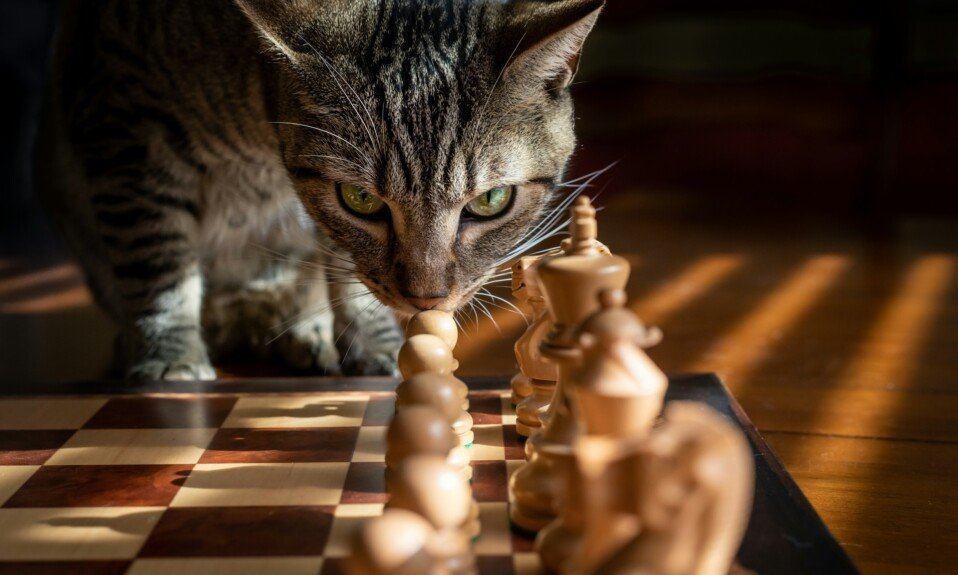
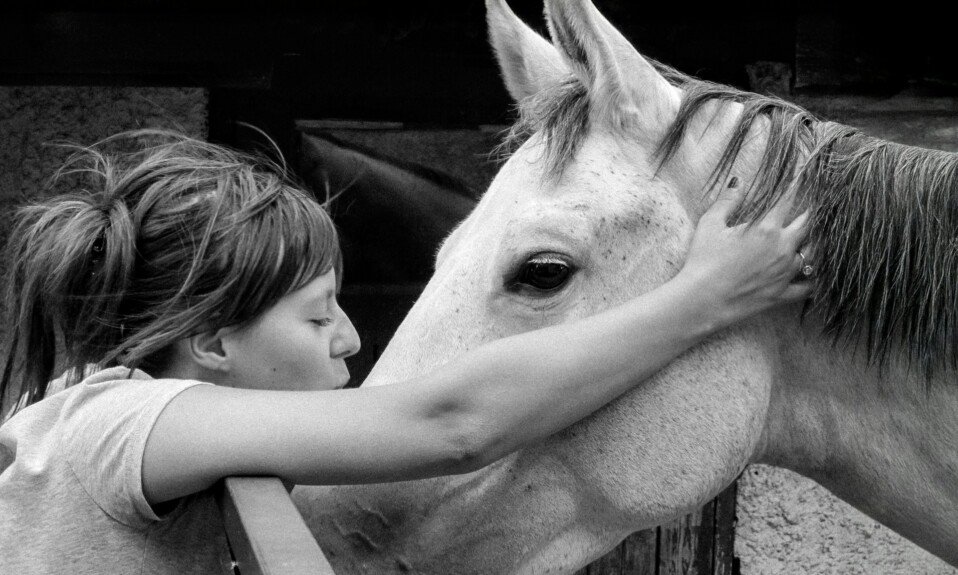
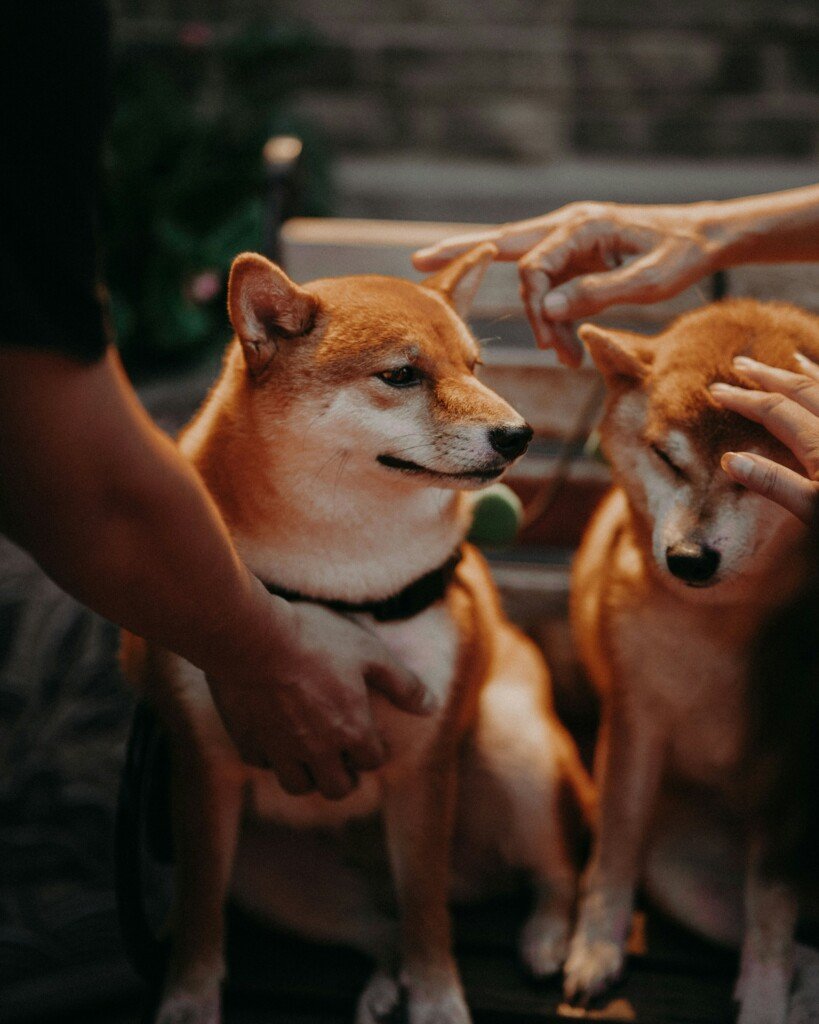
Dogs stand waiting for owners who never come back. Several years after being separated, cats can still identify their owners’ voices and routines. Several years later, horses can still remember their handlers. These animals form emotional bonds that cannot be easily dissolved.
Elephants
Even animals that are thought to live alone show loyalty in little ways. Elephants remember family members for decades. They mourn their dead. They go back to the sites of people who were once dear to them. Having ties to their memory unites them despite the absence.
Conclusion
Animal loyalty is not based on reward. It grows from connection. No calculation, no anticipation. This makes it powerful. Animals help us remember that loyalty should not be obligatory. It is about presence.
Through observing animals, we get to know that devotion makes societies stronger. It builds trust. It creates safety. Animals demonstrate, once more, in the shifting world, that devotion does not require words. It only needs action.