
Introduction
Animals do not speak, but they communicate constantly. Each sound, motion, and signification has a meaning. Communication helps animals warn, attract mates, defend their territory, and enhance social ties. Their systems are evident, effective, and closely tied to survival.
Vocal Signals and Sounds
Sound is the primary means of communication for many animals.
Birds sing to announce their presence and to attract mates. All the species possess different calls, and even certain birds acquire regional accents. Whales have long and complex songs that travel miles; these songs also travel through the underwater world. These tunes help them find mates and establish group identity.
The tone of a dog’s voice varies when they are thinking about emotion. The harsher the bark, the greater the danger, and the gentler it is, the more excitement. Wolves howl to call together the members of the pack and to mark out territory.
These sounds might appear simple, yet they have stratified meanings that are interpreted within every species.
Body Language and Movement
Action usually speaks louder than words.
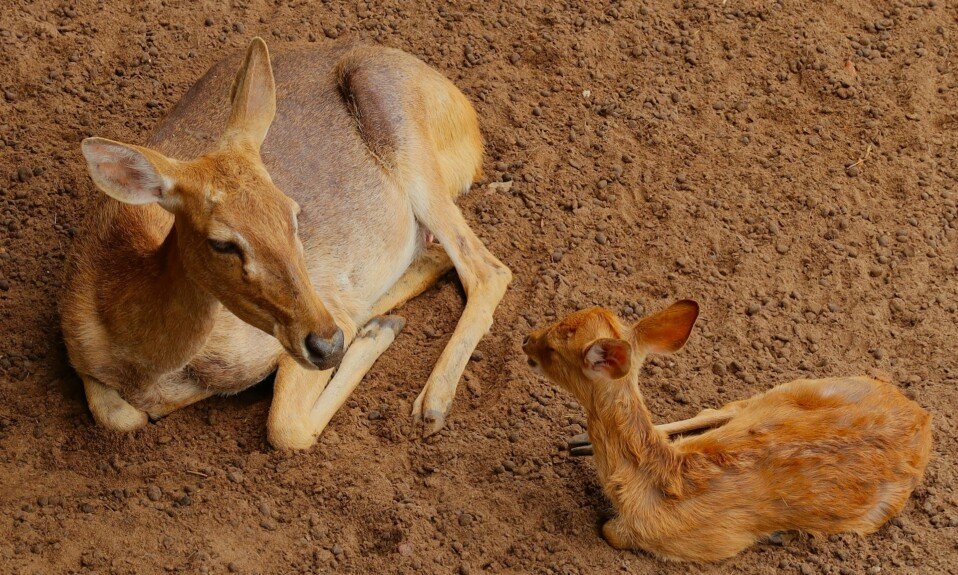
Cats raise their backs to either express fear or demonstrate aggression. To express irritation, horses are pinning their ears. Deer lift tails as a warning. The placement of an animal’s eyes can be a message in itself.
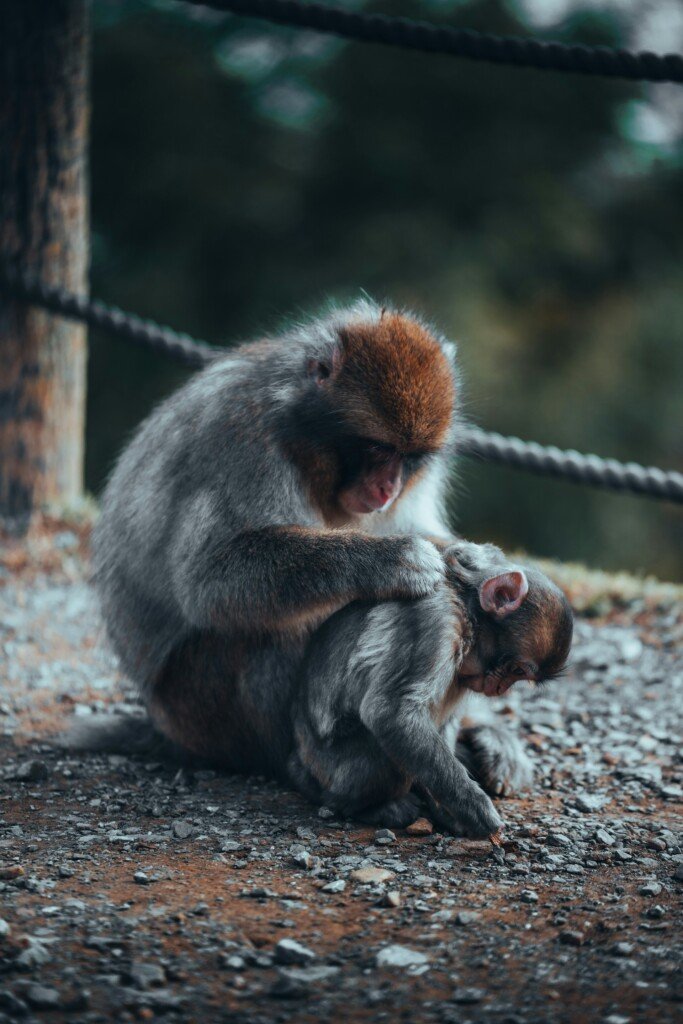
Primates exhibit facial expressions that are similar to those of human emotions. A chimpanzee smile may signify submission and not joy. Recognising these signals enables animals to escape conflict and maintain order within their groups.
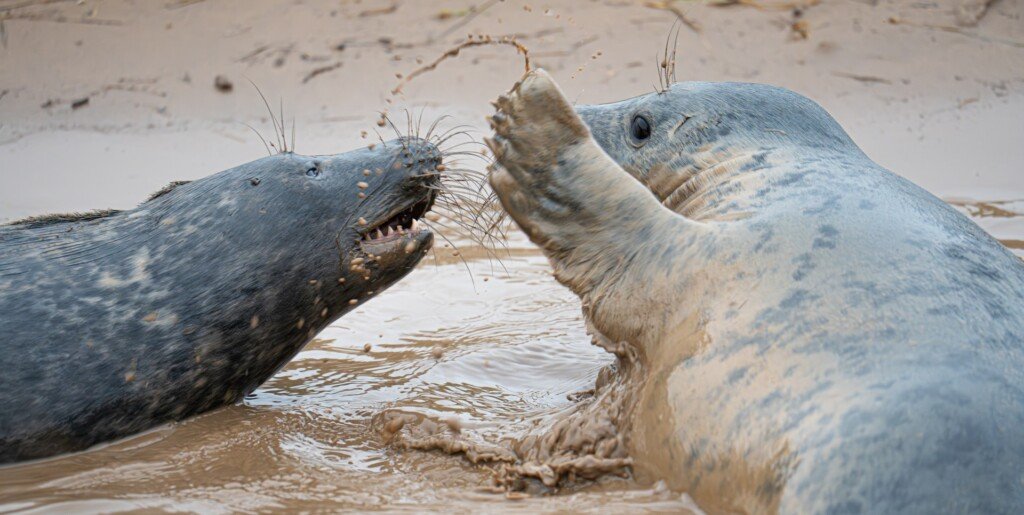
Body language enables one-second communication without drawing the predator’s attention.
Scent and Chemical Messages
Some animals communicate using their sense of smell.
Ants leave chemical tracks indicating food to others. Pheromones are claimed to help bees communicate danger or to organise the activity of the hive. Dogs use scent to identify individuals, collecting data about them in terms of age, health, and mood.
These chemical messages are more durable than sound or motion. They establish invisible information networks in environments.
Visual Signals and Displays
The roles of colour and visual displays are also important.
Peacocks use colourful feathers to find a mate. Octopuses adapt colour to express mood or purpose. Fireflies send the signal of light patterns to indicate they are ready for mating.
These signs mingle beauty and intent. Every display is clear and not confusing.
Conclusion
The communication of animals might be without words, but it is never deprived of meaning. Animals communicate using sound, movement, scent, and visual cues, which are essential to their survival. Language does not need speech, as seen in their communication systems. It requires understanding.