Introduction
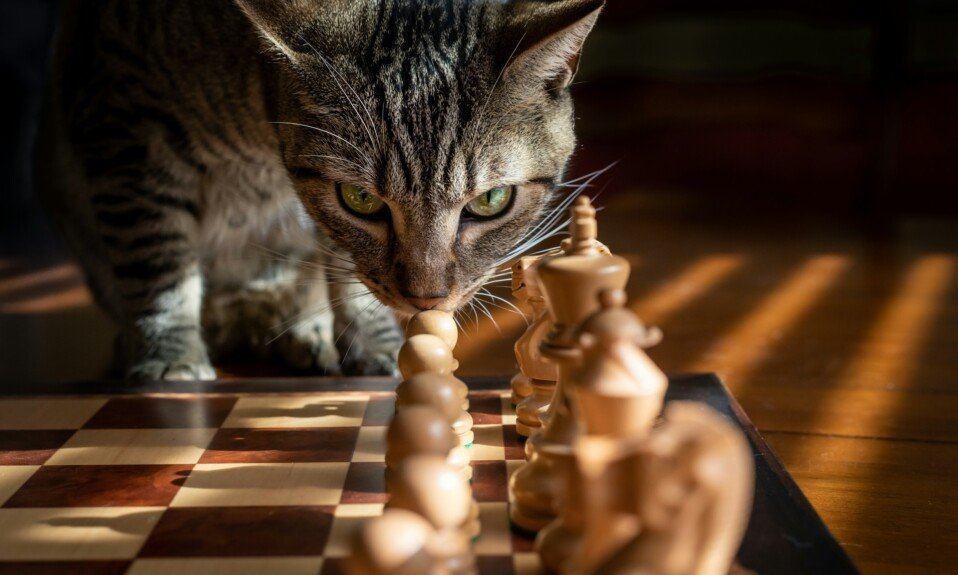
The animal’s intelligence is not usually noticeable, as it appears to be dissimilar to the human way of thinking. However, problem-solving, memory, and decision-making occur cross-specifically. Animals do not require classrooms to study. Their intelligence is formed practically through experience.
Problem-Solving And Tool Use
Some animals are creative in solving problems
Crows employ sticks to get insects. Octopuses open jars to access food. To climb further, chimpanzees pile objects. These behaviours demonstrate thinking and consideration of cause and effect.
Problem-solving enables animals to respond to new challenges quickly and effectively.
Memory And Learning Ability
The role of memory in survival is excellent.
Elephants can recollect water sources in large areas. Squirrels remember hundreds of food places. Dogs can identify instructions for many years after they were trained.
Animals are learning successes and failures. They are flexible thinkers who adjust their behaviour in response to past outcomes.
Social Intelligence Strategy
Animals also exhibit intelligence in a social context.
Dolphins organise hunts so accurately. Wolves delegate roles in the process of chases. Ravens have names for humans and recall interactions.
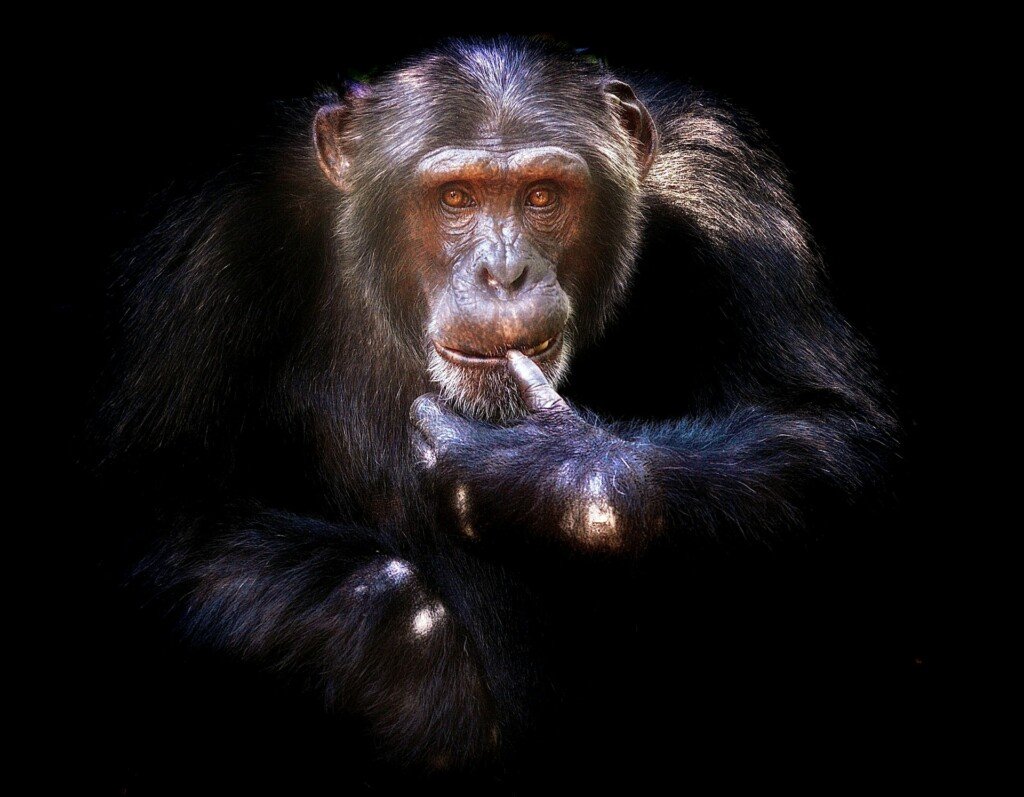
Social intelligence enables animals to maintain group peace and cooperation.
Emotional Intelligence and Awareness
Animals have some knowledge of emotions.
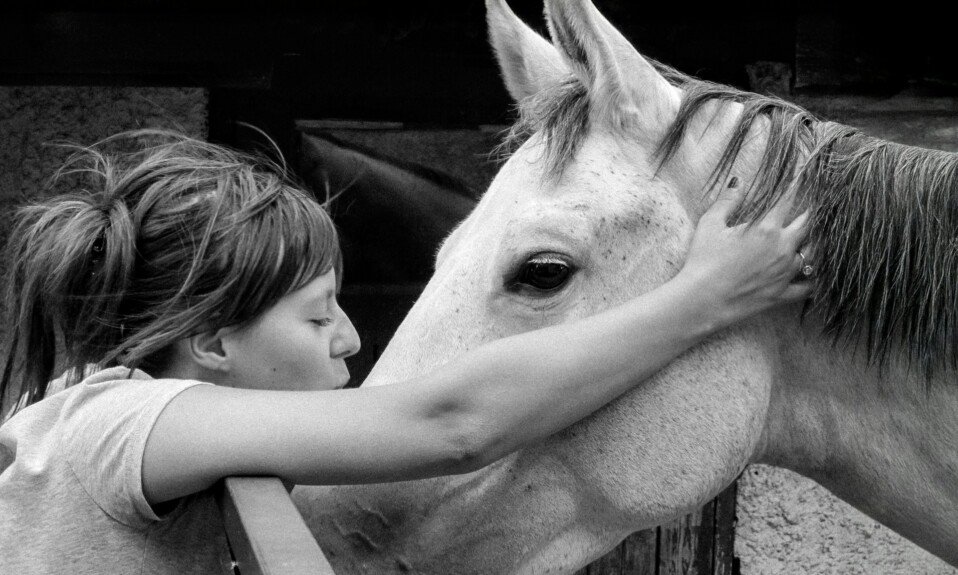
Dogs interpret human facial expressions. Horses sense rider tension. Primate animals respond to group distress.
This knowledge enhances interactions and builds relationships.
Conclusion
The intelligence of animals manifests itself in numerous ways. It addresses concerns, establishes relationships and adjusts to change. There is no single pattern of intelligence. It develops according to the needs of survival. Animals remind us that there are many forms of thinking, and they are all valuable.