Introduction
Cities tend to develop by eliminating their predecessors. The streets become wider, houses are taller, and ancient landmarks are slowly erased. Instead, a rare occurrence took place in Tokyo, specifically in the Minato Ward. Authorities decided to save an ancient camphor tree in the historical Arisugawa Park by relocating it instead of destroying it. Happening, I happened to observe the moving day. What I observed was a display of respect for nature, custom, and patience.
An Accidental Meeting in Arisugawa Park
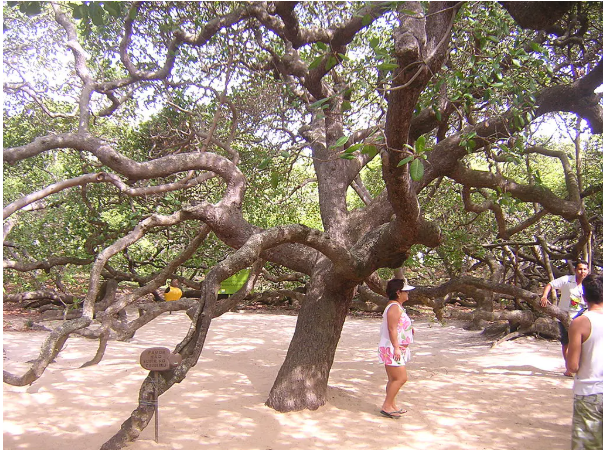
One day, I was on my usual drive around the Minato ward, and I saw something strange. A big crowd of men with helmets was gathered around a giant tree. The camphor tree had been stripped bare, and its root covers were wrapped with straw. It was a ceremonial scene, neither hurried nor disorderly. This was, as it were, the proposed removal of a seventy-ton tree that had been growing in the park since time immemorial.
Minato Ward, where several embassies and international residents resided, had quietly decided on great significance. They preferred saving to convenience.
Old Techniques That Are Still in Use
The procedure reminded me of other Japanese festivals that I had attended previously. This move was based on ancient engineering, just as the grand Mikoshi processions of the Kyoto Gion Festival or the night festivals of Chichibu.
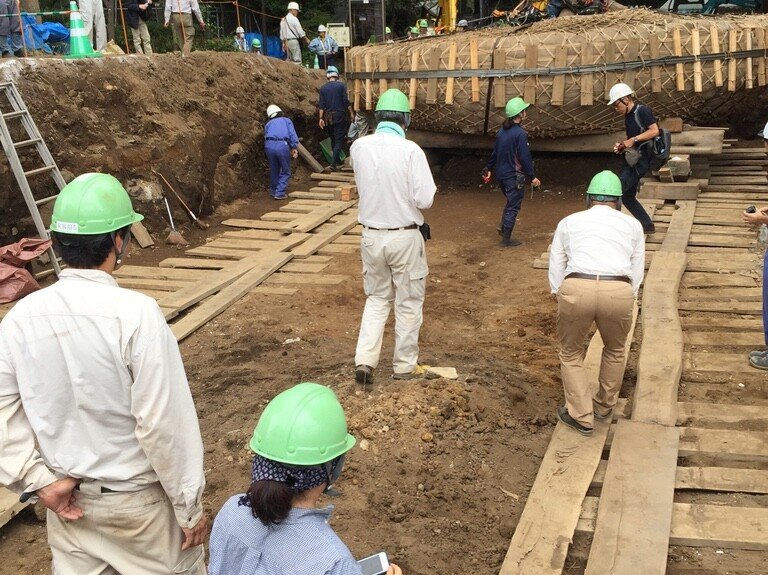
Employees took up the tree and put it on heavy wooden beams. Rollers of wood were placed under it, which directed the motion over ready tracks. The front rollers were referred to as Kanzashi, and the rear rollers were referred to as Okagura. These were names that were handed down through generations, demonstrating the extent to which tradition determined the task.
No machines rushed the work. Expertise, composure, and team spirit were at the forefront.
Thoughtful Planning of a New House
A new home was ten meters away. It was a high, square pile of earth carefully made by workers. They even erased the slightest stones which might obstruct the rollers. Nothing felt random. Each stage was respectful of the tree’s age and weight.
Few people knew this approach. Approximately fifty experts were in the head, with about sixty gardeners, engineers, and technicians. Their silent attention displayed a pride in a profession that is scarcely followed.
Seeing The Tree in Motion
Later that day, I came back on foot. On July 26, a sign nearby indicated that the move had commenced at 10:00 a.m. The tree was in motion as I entered. It rolled deeper into the park slowly, steadily, and without drama.
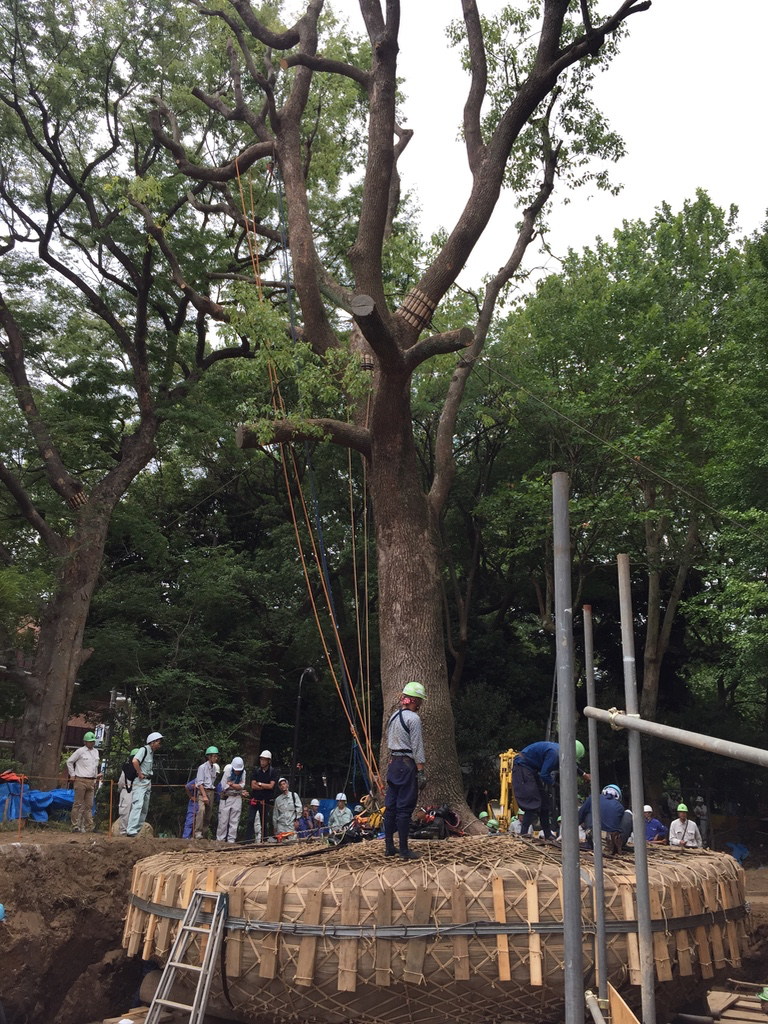
I have been a resident of Azabu for thirty-five years. I know this park well. Also, I have dog-walked here in all seasons, days and nights. It seemed personal as we watched the tree in motion, like a close friend making cautious steps towards a safer area.
A Moment of Shared Respect
As the action ended, the workers applauded each other silently. Onlookers smiled, some without a murmur, others with great obvious relief. It was a process that had been months of planning, but the last moment was plain and straightforward.
There was something more profound in the sound of applause. It was a tribute to ancient wisdom, nature, and the preservation of history. These were values that could not be erased over time. They lived on through action.
Why This Moment Matters
Without a warning, tears appeared before my eyes. And they returned when I later narrated the story. This feeling is the reason why I love Japan. The country remembers. It protects. It continues to move forward without losing sight of what is essential.
This tree was moving slowly and survived in a world where people usually prefer speed over care. That option meant everything.
Conclusion
The decision to relocate the camphor tree in Arisugawa Park was not merely a technical accomplishment. It was a statement of values. Minato Ward revealed that change and respect are not mutually exclusive. They reminded us that not everything is worth rushing into, and by preserving ancient practices and conserving living history, they were reminding us that not everything is worth rushing into. I will never forget seeing that tree move.