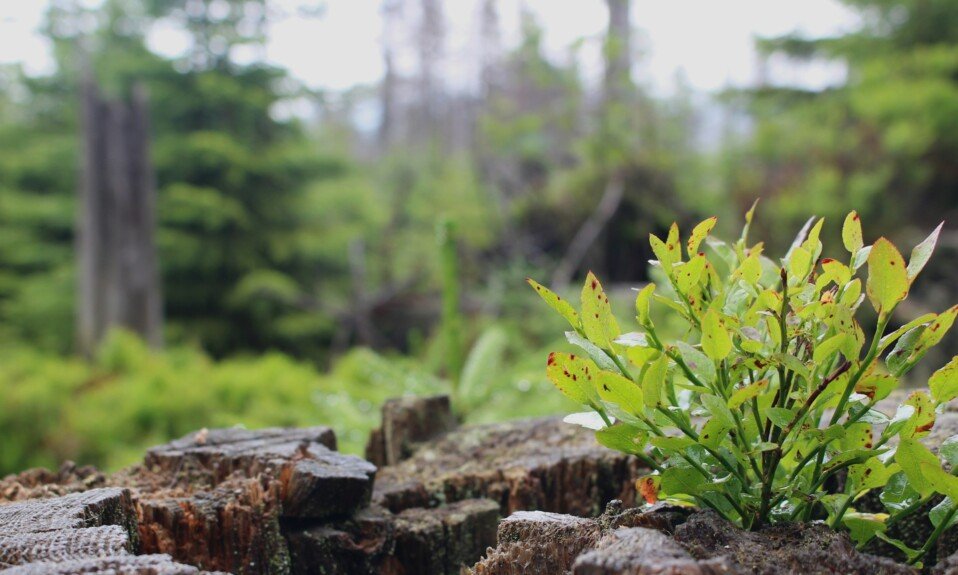
Nature can wonderfully heal itself. It has a way of coming back after the destruction, having been built and even stronger. Forests recover after fires. There is slow regeneration of coral reefs. Grass grows through broken concrete. Life insists on continuing.
Wildfires, however terrible, usually leave room to renew. Some plants require heat to disperse their seeds. New growth will soon take place shortly after the flames have passed. Ash enriches the soil. What appears to be an ending is, in fact, a beginning.
The same trend is observed following floods. The waters recede, leaving fertile land. Rivers alter the geographies, creating new habitats for plants and animals. Wetlands are created, and they sustain an immense number of species. Nature does not resist, but it adapts.
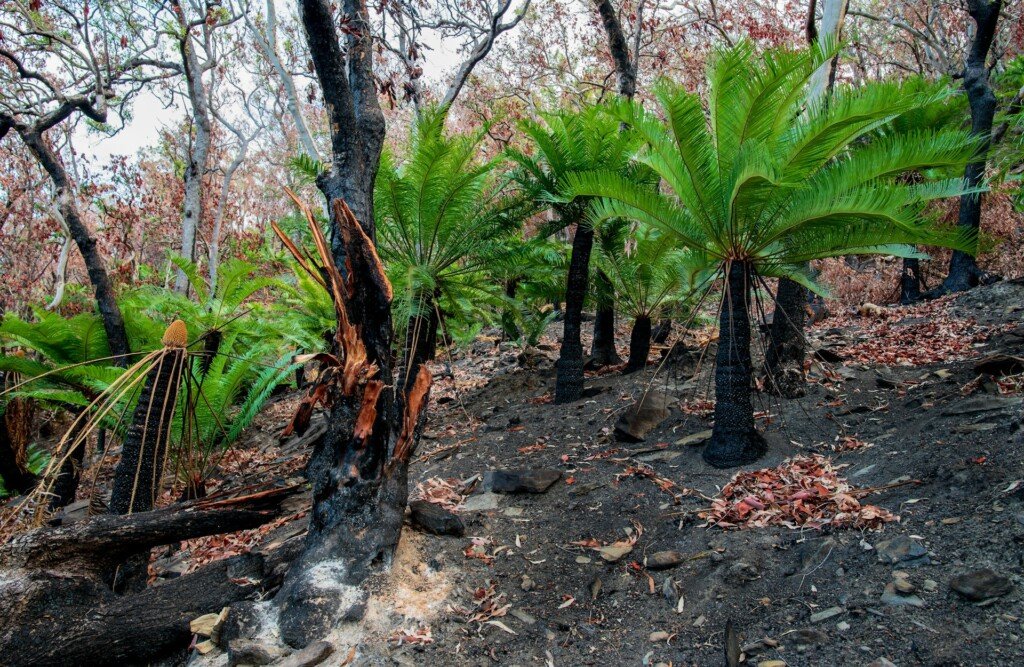
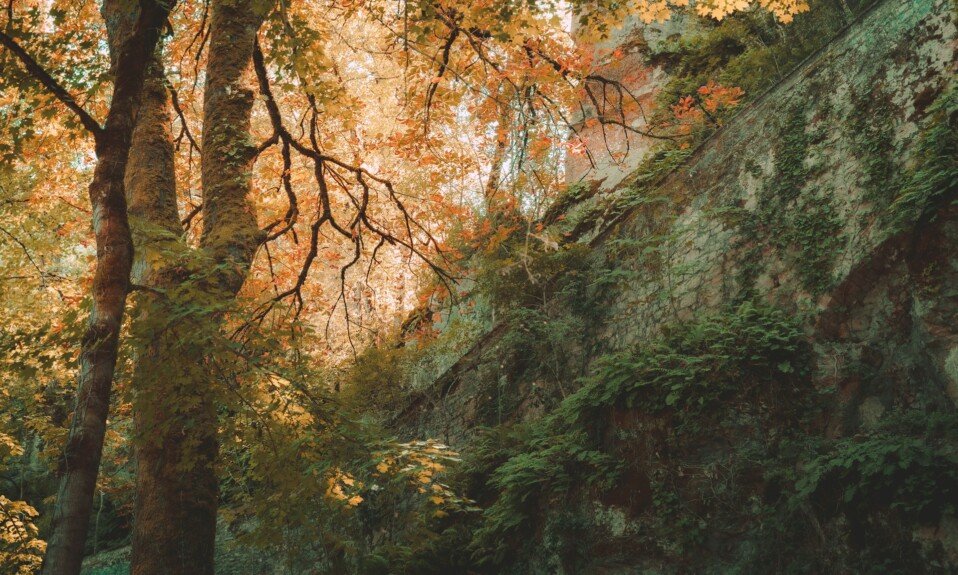
This is evident in abandoned places. Birds take over dilapidated structures. Vines climb broken walls. Roots split stone. Nature takes back what man has abandoned over time, silently reclaiming it. Unintentionally and unapproved, it is a restorative balancing factor.
This healing power can also be observed in the oceans. Marine life usually recovers more quickly than predicted when fishing pressure is reduced. Fish populations rebound. Coral recovers colour. The sea acts promptly with space.
The healing powers of nature do not work immediately. It takes time. But it does not give up. It is a lesson that this resilience teaches us. Healing is not the way back. It is the process of moving forward in a new form.
Once humans take a back seat, nature takes care of it. Its healing properties make us remember that protection is essential. This natural recovery can be perpetuated by preservation. Nature knows the way to heal itself. It simply demands that we cease to get in the way.