Introduction
Thousands of dogs are waiting in animal shelters across the United States and other parts of the world. They come with varied narratives, yet they have the same dream of warmth, safety, and love. Shelters strive to fulfil these needs, but little gestures can sometimes have the most significant effect. One of these acts is done by an older woman whose knitting needles have provided solace to hundreds of dogs. Her narrative demonstrates that foster care, patience, and humble expertise can transform a cold doghouse into a warm home.
Life Inside Animal Shelters
Animal shelters are created to ensure the protection of dogs who have lost their homes or never had one. Most of these dogs are lost, frightened or lonely upon arrival. Staff and volunteers in shelters intervene to provide food, medical care, and attend to the daily needs of individuals. They take dogs out, play with them and compliment them with soft terms which soothe rattled hearts.
Despite this precaution, shelters are cold, particularly in winter. Floors of concrete and metal kennels are not so good at retaining warmth. For dogs accustomed to living on couches or in yards, the transition can be particularly harsh. It is at this point that kind gestures are most important.
The Force of Volunteers and Community Assistance.
Shelters rely heavily on volunteers and donations. Individuals donate their time, money, and skills to improve the lives of dogs. Some walk dogs before work. Some clean kennels or assist in adoption events. Some of them carry custom-made products that provide more comfort than fundamental necessities.
Shelters survive on community participation. It teaches dogs that human beings can be kind and reliable. It also demonstrates that assistance does not necessarily need to be rich or grandiose. It often begins at home with a simple concept.
A Knitter Named Maisie Green
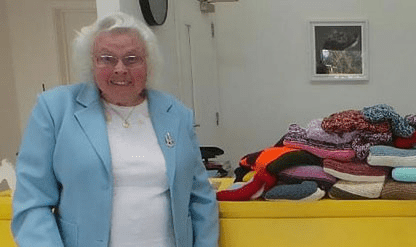
Maisie Green is an 89-year-old woman living in the United Kingdom whose generosity has travelled well beyond her living room. She has also knitted over 450 blankets in the years to provide shelter for dogs. Hours of care, steady hands, quiet dedication are in every blanket.
Maisie was not a praise seeker. She was just fond of knitting and of dogs. When she heard that animals in shelters struggled to keep warm, she found a definite way to help. Her needles were instruments of solace, and her yarn was a comforter of dogs which she could never see.
The Importance of Blankets for Shelter Dogs
A blanket may seem insignificant, but to a shelter dog, it is a great deal. Blankets end up keeping one warm on a cold night. They cushion and harden kennel floors, providing dogs with a sense of security and comfort. The smell and texture of fabric are often comforting to many dogs, which can help reduce their stress.
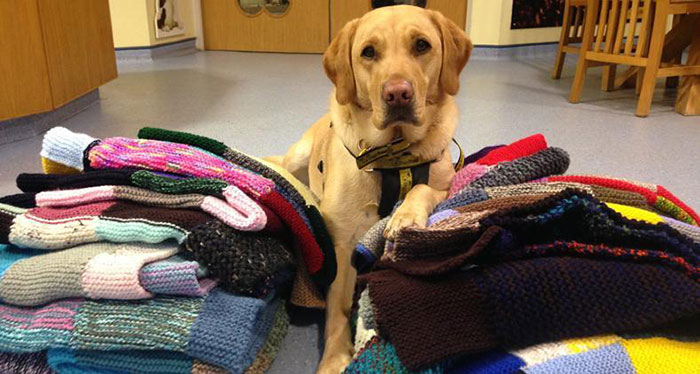
Blankets are also health-promoting. Hot dogs have a better sleep, and proper sleep boosts the immune system. It can make a significant difference in the day-to-day comfort and healing of older dogs or puppies.
Knitting As a Form of Care
Maisie was happy to use her knitting to assist animals. She likes the repetition of knitting and watching TV. She can complete a warm blanket in three days. Within a day, she can make a warm dog coat. This routine is consistent and keeps her active, and each day has a purpose.
She made silent evenings worthwhile by joining her passion with care. Her experience demonstrates that there is no need to learn something new to help people. It can also be sharing something you love in the first place.
Helping Beyond the Shelter Walls
The blankets and coats also assist some homeless people who care for dogs. Such programs recognise that pets offer comfort and companionship during difficult times. Warming these dogs helps protect both the animal and its owner.
This broader effect demonstrates the fact that a single act of kindness can go a lot farther than you might imagine. A knitted coat also battles the cold. It espouses dignity, nurturing, and human-animal relationships.
Years of Steady Giving
Maisie has been giving blankets and coats for over three years. With the assistance of her family, she does this three times a year. They make upwards of a dozen handmade products together. This routine activity ensures that new dogs coming to the shelter also receive warmth.
Unity is a factor in charity. Shelters rely on reliable assistance, particularly during winter. The persistent nature of Maisie demonstrates that slow change can be achieved through the repetition of small steps.
Shelter Appreciation and Impact.
Dogs Trust Basildon manager has expressed appreciation for what Maisie has brought. Her knitted work will keep dogs’ cosy and relaxed during the cold months. Employees can feel the difference when the dogs are more comfortable, especially when they have a blanket to curl up in.
These things also render kennels less temporary. For dogs that spend weeks or months waiting to be adopted, comfort helps keep them hopeful and healthy.
What This Story Teaches Us
The work of Maisie Green has lessons. It demonstrates that there is no age restriction on impact. It teaches us that lifetime-acquired skills are not useless. Above all, it serves to show that kindness does not require attention to be significant.
Shelter dogs do not know who made their blankets, but they feel the warmth. The emotion transforms their days and nights. It helps them wait without as much fear and in greater comfort.
Conclusion
The case of Maisie Green and her blankets remind us that we can be compassionate at home. Using yarn, patience and a loving heart, she transformed life within a shelter, one stitch at a time. Her book saved hundreds of dogs and inspired many people.
Such tender gestures are essential in a world that is in a hurry and far away from home. They demonstrate that it is not necessary to be perfect and famous to help others. In some cases, all that is needed is an intent to care, a willingness to help, and a simple skill.