Introduction
For several years, people believed that animals acted solely on instinct. In the present day, research and observation have a different narrative. Animals are emotional and are not afraid to show it. Their happiness, fear, sorrow and love are displayed in their motion, sound and action.
Happiness And Pleasure as Affective Discharge
In the animal kingdom, Joy manifests itself primarily through play. Young animals run after, grapple, and investigate. Puppies run in circles. Dolphins leap from the water. Birds play a game of flight. Play makes animals get strong and social and also demonstrates joy.
Dogs are excited by waving their tails, sitting or lying down in a relaxed posture, and being ready to move. These cues are not by chance. They convey emotional states in a clear and comprehensible way.
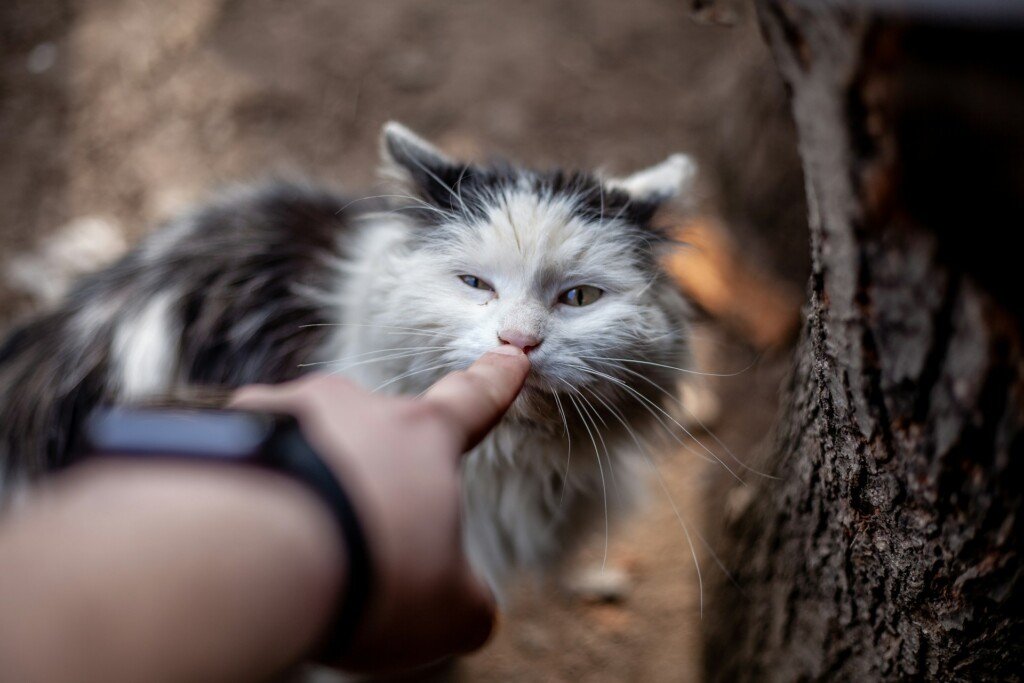
Joy builds relationships and enhances existence by promoting studying and bonding.
The Animal Behaviour of Grief and Loss
Animals, too, suffer when they lose companions. One of the best examples is found in elephants. Eating when one of the herd dies, the others just come together. They stroke the body with trunks. Some remain nearby for days. Elephants have been seen returning to the remains of deceased family members several years later.
The same is observed with primates. Mothers of chimpanzees occasionally hold dead babies for prolonged periods. Such a reaction is an expression of attachment and emotional suffering.
Animal grief reveals the importance of memory and enduring relationships.
Compassion And Social-Emotional Sensitivity
Most animals react to the feelings of other beings. Dogs understand when an individual is sad and will tend to be close when a person is suffering. Even in the presence of food, rats will release trapped people without concern for their own safety, which is beyond self-interest. Birds adapt when stressed to signal danger by altering their vocal patterns.
Such reactions are indicative of consideration of the emotional conditions of others. Empathy enhances the existence of groups by fostering co-operation and trust.
Love And Long- Term Relationships
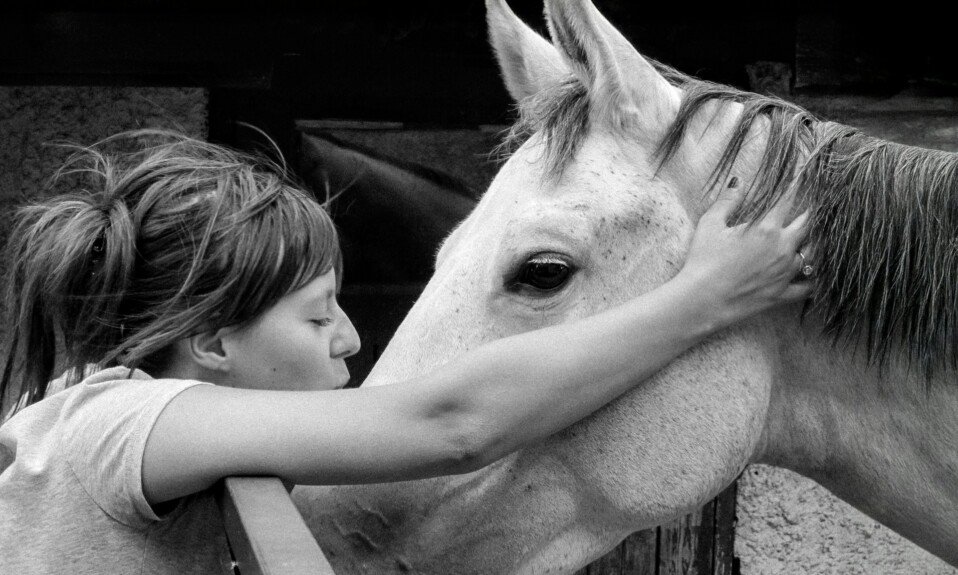
Animals develop deep, long-term attachments. There are numerous lifelong mating bird species. They divide up nesting responsibilities and have children together. Wolves form family structures on the principles of collaboration and devotion. Separating the horses, they remember the handlers and react accordingly.

Such relationships bring about a sense of stability and enhance the survival of individuals and groups.
Conclusion
Animals are not concealing their feelings. They are open and sincere about them. They are joy, grief, empathy and affection, and these define their lives as they define ours. Understanding animal feelings helps humans treat other living beings with respect. Animals also teach us that there is nothing wrong with being sensitive. It is an indication that life has been lived to the fullest.