A First Introduction to the Mighty Redwoods
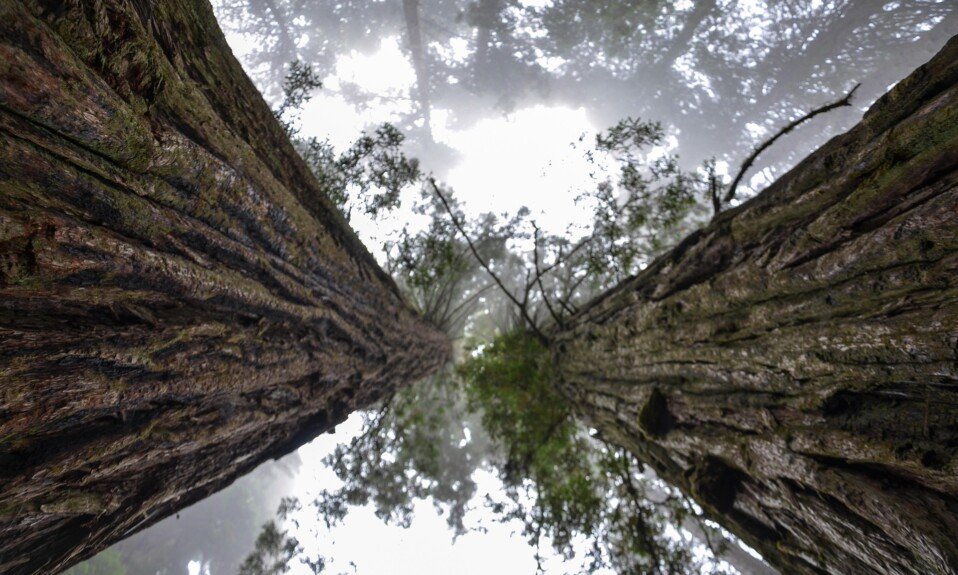
Redwood trees are one of the most outstanding living creatures on the planet. They are taller than any other tree species, and they extend to the sky quietly but with confidence. When referring to them as the tallest trees on earth, they say what has been recorded, not what has been exaggerated. It is a strong first impression to stand under a redwood. The trunk is interminable, the canopy must be lost in the light above, and the air is cooler and calmer. At that point, it is apparent why redwoods are such a source of intergenerational awe.
Where Redwoods Are Found
Redwoods are naturally found in a small area on the West Coast of America. They grow well in Northern California and the minor regions of southern Oregon. This place has a unique coastal climate that the redwoods rely on. Perfect growing conditions are cool temperatures, frequent fog and constant moisture. The mist plays a crucial role, as it provides water during the dry months. In other places, redwoods cannot live due to the lack of this combination of fog, soil and climate.
Record-Breaking Height
The redwoods rise high above most of the trees quite dramatically. Most popular trees have a height of 50 to 100 feet, but redwoods typically exceed 300 feet in height. The tallest recorded redwood is over 380 feet high. In perspective, that height is equivalent to 35 stories of a building. Having one right in front of you makes the mind understand its size. These giants transform the perception of what individuals visualise whenever they think of a tree.
How Redwoods Grow So Tall
Redwoods also have several unique features that enable them to reach such high heights. The central aspect here is that they draw the moisture in the form of fog directly into their needles. This additional water supply helps support growth during periods of low rainfall. Their wood is strong (yet flexible) to ensure that their trunks do not break (by bending) in strong winds. Redwoods do not have deep roots, but instead consist of interconnected root systems that are wide and support each other. All these aspects enable gradual increasing growth over centuries.
Age And Longevity
Redwoods have an exceptionally long lifespan. Some live to 1,000-2,000 years, and some even live longer. They are resistant to decay, insects, and disease, which makes them live longer. The wood is tannin-impregnated, which keeps pests away and retards rot. Due to this, redwoods can survive in conditions that kill other trees. The rings of every living redwood are centuries of environmental history.
Heavy Bark and Protection
Redwood bark may grow as thick as one foot. This bark serves as an effective shield against fire, insects and bad weather. Redwoods do not have flammable resin, unlike many other trees. Their thick bark protects the inner layers, allowing the tree to survive fires. This is a natural defence that enables redwoods to withstand catastrophes, which determine the forest ecosystem and will allow them to survive.
Role In the Ecosystem
Redwood forests have bountiful ecosystems. Birds nest in the upper canopy, and mammals and insects are attached to the forest floor. Fallen needles add nutrients to the soil and retain moisture. Redwoods contribute to water cycles by capturing moisture and gradually releasing it into the environment. In addition to the local advantages, they also play a global role by producing oxygen and storing large volumes of carbon in their wood.
Redwoods And Climate Change
Redwoods are among the best natural defences against climate change. They store large quantities of carbon compared to nearly all other tree species due to their vast size. They can reduce the carbon being released into the atmosphere by locking away carbon over centuries. Conservation of the redwood forests is essential today than ever. The disappearance of these trees deprives the planet of one of its most effective natural defences against global warming.
Human Relation and Cultural Significance
Redwoods play a significant cultural role in the Native American tribes. They considered these trees to be symbols of endurance and balance. Redwoods also developed over time as national symbols of power and time. Every year, millions of visitors visit Redwood parks. These woods evoke the strength and patience of nature in a hectic world.
Protection And Conservation
Once, significant parts of redwood forests were destroyed by extensive logging. With increased awareness, conservation efforts increased. Surviving old-growth forests are now conserved in national parks and even in protected reserves. Governments, activists, and scientists strive to recover degraded habitats. The safeguarding of redwoods requires proper land management and community support. Every forest that has been preserved translates to the survival of future generations.
What it feels like to visit a Redwood Forest
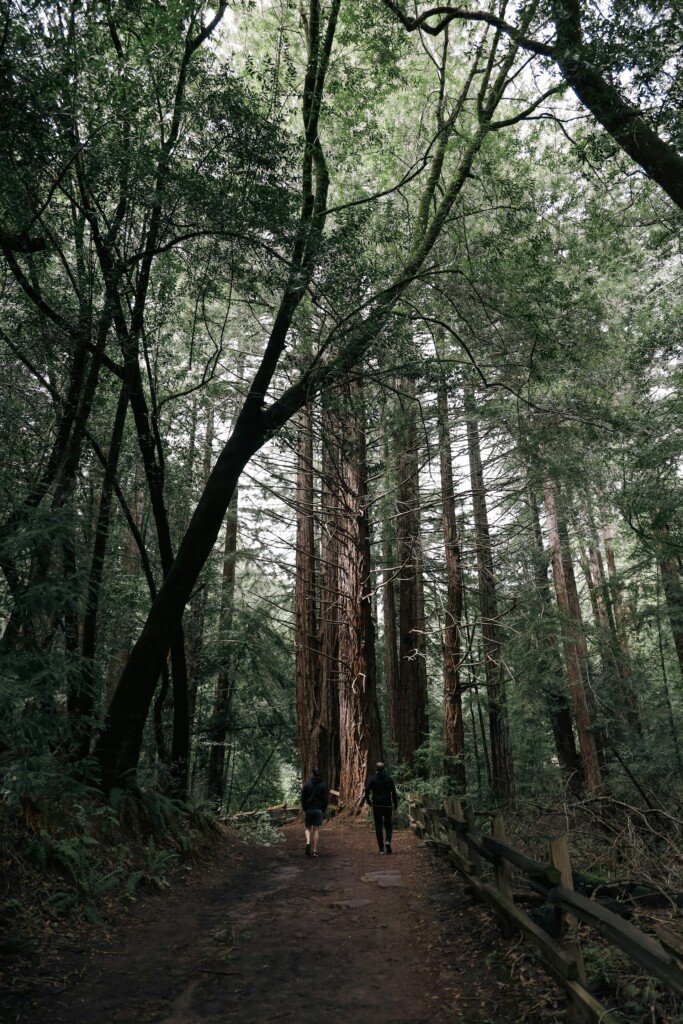
A visit to a redwood forest is unlike any other natural environment. The sound becomes softer, the light permeates the canopy, and time appears to drag. The massive trunks create an atmosphere of calmness and size that is humbling to visitors. The experience is often characterised as inspirational and emotional. The wilderness speaks volumes without a word.
Some Interesting Facts about Redwoods
Redwoods are very resilient. They can withstand floods and frequent fires. When a redwood is cut, it tends to continue living as new trees grow out of the roots. These are also the trees that grow quicker than most of the tall ones in their initial years. They do not compete but cooperate through their root systems, despite their size differences.
Teachings of the Mighty Redwoods
The redwoods teach silent lessons by their being. They demonstrate the worth of time and long-term development. They are not strong because of rigidity, but because of flexibility. Living in harmony with the environment is what causes them to flourish, not fight against it. These teachings are particularly applicable in the contemporary world.
Conclusion
The redwoods are giants on the planet, great living things, unsurpassed in size, age, and power. They sustain ecosystems, combat climate change, and inspire human wonder. By conserving these natural marvels, people ensure that their descendants will be able to stand beneath their grand structures and experience the same feeling of humility and reverence. Redwoods teach us that greatness is slow, quiet and intentional.