Introduction
The one tree in the small town of Santa Maria del Tule, in southern Mexico, attracts visitors from every nationality. The oldest Montezuma cypress is the so-called Tree of Tule, located in a church courtyard, which holds a record unmatched by any other. It is the most enormous trunk that has ever been measured on a living tree. It is almost 2,000 years old, yet it continues to grow, care for the town, and support the local community. This article will discuss the reasons why the Tree of Tule is so remarkable, how it gained worldwide recognition, and why it remains vital today.
Location And History
The Tree of Tule is situated next to the Church of Santa Maria del Tule, located just a few minutes away in the city of Oaxaca. The tree was already rooted long before the church was constructed. It was assumed that the Zapotec people had planted it around the first century CE, which means it is even older than most famous monuments worldwide.
In Mexico, this tree had already been growing when the Roman Empire was still controlling parts of Europe. Such a profound sense of time renders a powerful presence to the Tree of Tule. It links modern visitors to ancient civilisations by using a living organism instead of stone or ruins.
Shocking Trunk Size and Measures
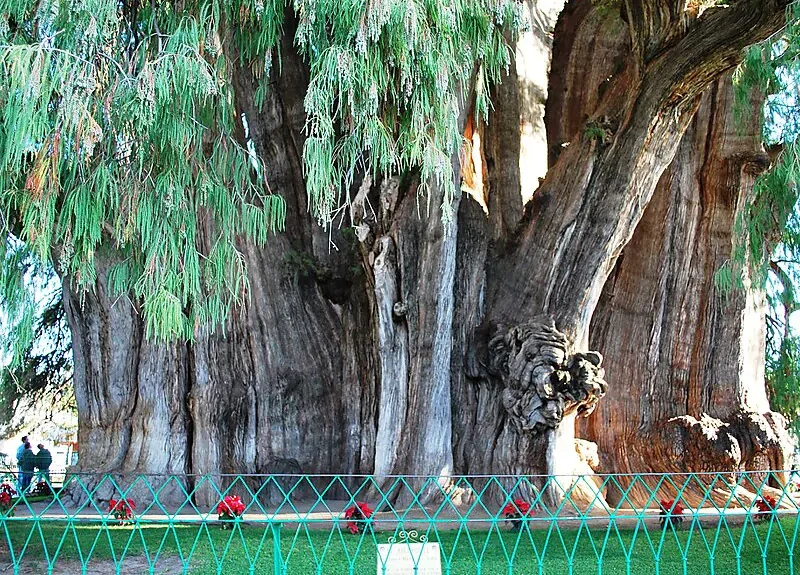
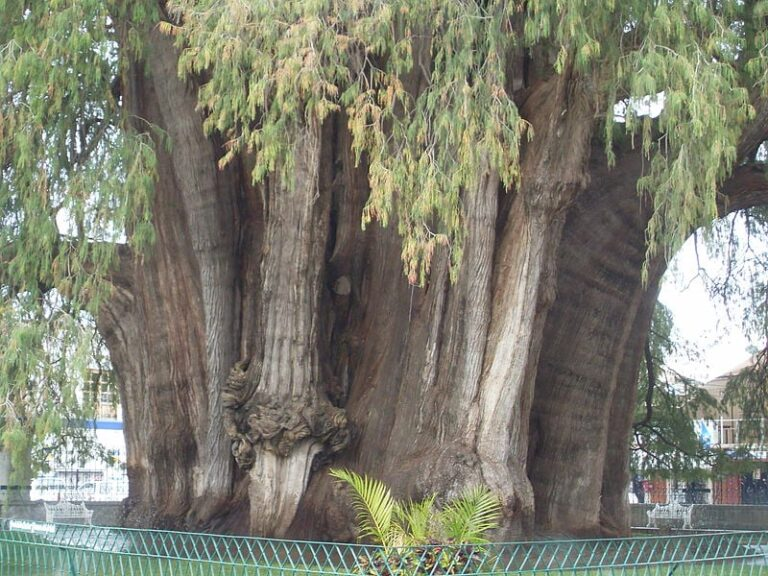
The real peculiarity of the Tree of Tule is its trunk. To go around it completely, approximately thirty individuals are required to hold hands with their arms fully extended. The circumference of the trunk is approximately 42 meters, and it almost seems unreal to come across it physically.
For several years, researchers thought that the trunk was a result of multiple trees being glued together. The form was too broad and complicated to be that of one organism. The advanced analysis of DNA testing demonstrated the contrary. There is just one genetic structure of the Tree of Tule, which adds even more to its size.
Height, Growth, And Longevity
The Tree of Tule is not just impressive in terms of width. It is also above the local church, making it tall to an extent that it towers over the building and the spire. Although the tree is old, it remains alive and continues to grow.
Montezuma cypress trees can grow close to water, and this tree thrives on underground water, which ensures its survival during dry seasons. It is a slow yet gradual growth that demonstrates how balance and patience can result in longevity in nature.
Bark, Shapes, And Natural Art
The Tree of Tule has a bark that twists and folds into weird and beautiful forms. Over time, individuals have seen figures that resemble animals, faces, and mythical beings within the trunk. Local guides often use small mirrors to reflect sunlight off the tree bark, helping visitors see these natural patterns.
This game helps make the tree more than a scientific wonder. It is a living artwork, a product of centuries of wind, rain, and the passage of time.
Cultural Significance to the Community
To the local people of Santa Maria del Tule, this tree is not just a tourist attraction. It forms the core of the town. The locals refer to it as the tree of life, and it suits the name.
The Tree of Tule, which is closely tied to tourism, supports a substantial portion of the local population. The tree is visited by shops, guides, food vendors and artisans. It is estimated that as much as three-quarters of the residents of this town make income directly or indirectly through this single natural landmark.
Tourism And International Recognition
Mexico has a national identity with the Tree of Tule. It is found in textbooks, travel guides, and cultural discourses as a symbol of natural power and survival. Its trunk size is what has made it known globally, as there is no other tree in the world that can compare.
Millions of tourists come to visit it in person. Its real size is rarely reflected in photographs. Being by its side instils in a visitor a feeling of humility and amazement that hardly any other place can have.
Future Care and Conservation
Conservation of the Tule Tree is a concern that local governments and residents share. The space surrounding the tree is well controlled to avoid damaging the roots and soil. The conservation activities encompass water management, visitor management, and long-term health management.
These measures help ensure that future generations will be able to experience the same kind of awe that is felt nowadays. A living monument should be maintained with care and respect.
Conclusion
The Tree of Tule is evidence that nature can do wonders that even a human being may not imagine. It is priceless, spanning a city block across, with a history that spans centuries, and a purpose that sustains a community. It was not a record holder, but a living witness to the past. The giant tree of Santa Maria del Tule is a reminder that, in many cases, true greatness grows slowly, quietly, and over the course of centuries.