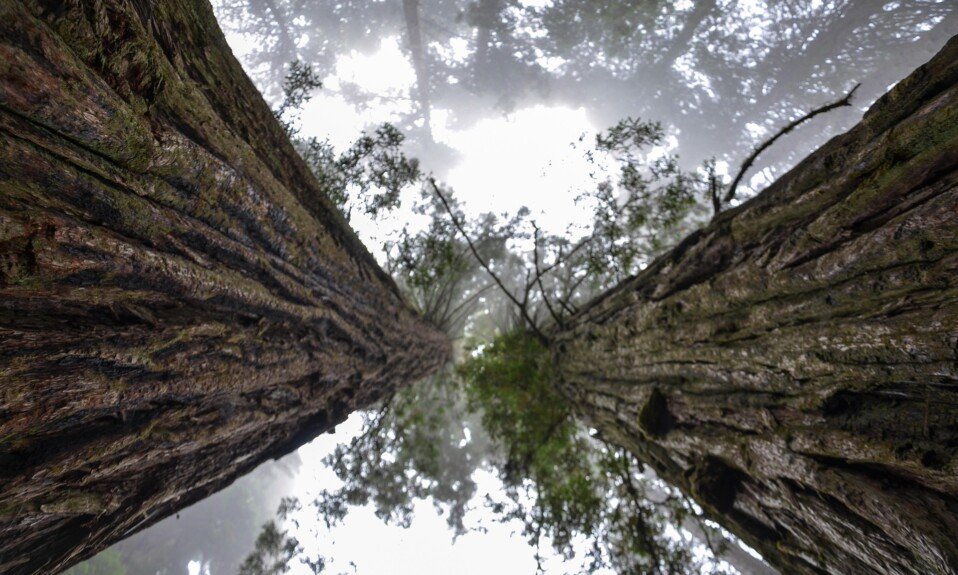
Nature does not rush. It develops, changes and restores itself. In the hurry, time-pressed, and instant gratification world, nature silently whispers to us that time does not have the same impact on nature as it has on the human clock. It takes millions of years to make mountains. Trees grow one ring after another. Rivers cut valleys by gradually persisting, rather than by force.
Patience is one of the greatest lessons that nature can teach. A grain is not a tree in a day. It must endure the darkness underground before it ever sees the sunlight. Seasons, wind and rain define its development. This gradual development is a strength that should not be hurried.
Forests serve as living evidence of this fact. The trees all grow at their own pace, but collectively they form a harmonious system. Older trees shelter younger trees. The fallen leaves enrich the soil. Nothing is wasted. Decay even has its part, nourishing a new life. Nature teaches that advancement is not necessarily the incessant motion. Sometimes it means waiting.
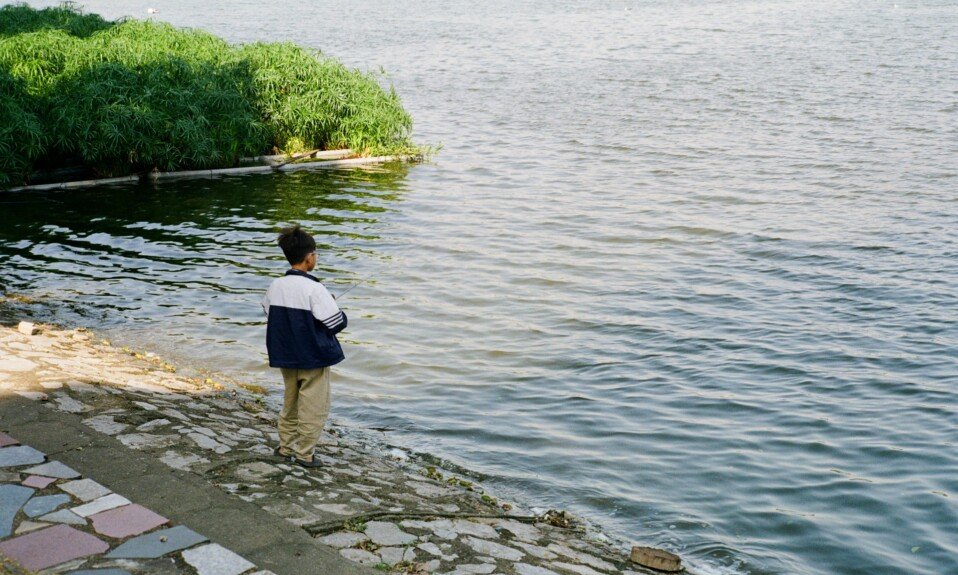
Rivers tell a similar story. They do not hurry to the sea. They flex, stop and shift gears when necessary. Obstacles do not stop them. Instead, they adapt. Even the most stubborn rock melts. This silent endurance usually secured more than option ever would.
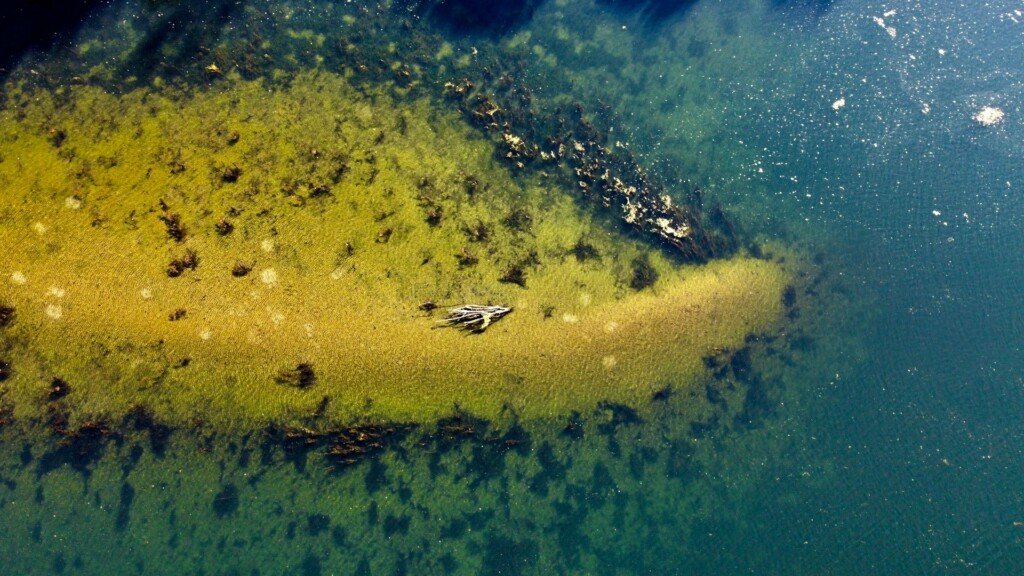
The life of modernity tends to glorify speed as a measure of success. Nature challenges that idea. It demonstrates that enduring beauty and power are achieved through consistent development. We learn to have faith in the process when we slow down and observe. Nature does not panic. It prepares.
Watching the motion of nature, we find equilibrium again. We get to know that patience is not a sign of weakness. It is wisdom shaped over time.